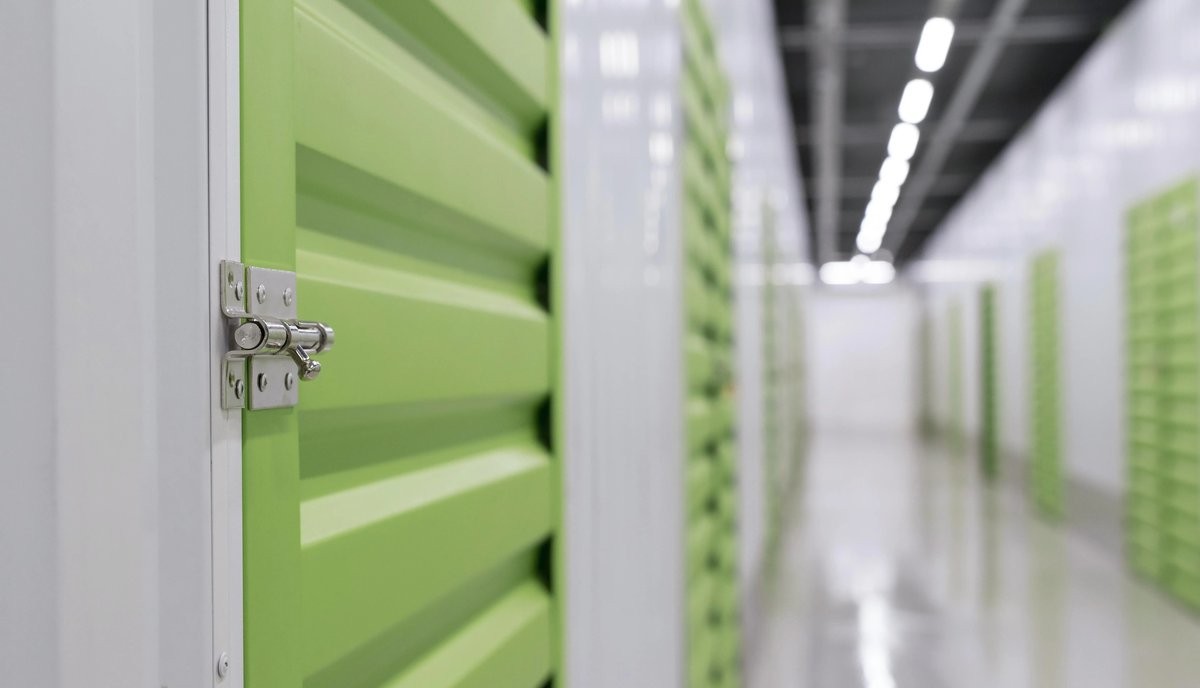
As commercial real estate costs continue to climb and remote work reshapes the traditional office landscape, small businesses and entrepreneurs are increasingly turning to self storage as a flexible solution for managing inventory, equipment, and records. US Self Storage, a nationwide directory that connects renters with storage facilities, is spotlighting how businesses across the country are leveraging off-site storage to streamline operations and cut overhead.
The shift reflects broader economic trends in 2026: the growth of e-commerce has outpaced available office and home space for many product-based businesses, while hybrid work models have reduced the need for large commercial offices. Seasonal businesses face fluctuating inventory needs, and service providers require secure storage for equipment and client files. In response, business owners are seeking month-to-month storage agreements that can scale with their changing requirements.
According to industry observers, common business uses for self storage include inventory management for online retailers, equipment storage for contractors and seasonal businesses, document archiving for compliance and tax purposes, and overflow storage during office transitions. Additionally, businesses often store point-of-sale equipment, displays, and supplies between uses. By using a centralized directory like US Self Storage, owners can compare facilities, amenities, and prices in one place to find a unit that matches the type and volume of items they need to store.
Choosing the right unit size is critical. A 5x5 unit is often sufficient for business records and small supplies, while a 5x10 can hold inventory pallets or a modest collection of tools. For growing inventory or larger equipment, a 5x15 unit offers extra space, and a 10x10 unit can accommodate substantial stock or a full archive of documents. Larger operations might opt for 10x15, 10x20, 10x25, or even 10x30 units to support bulk inventory, heavy equipment, or long-term storage needs.
Amenities also play a key role in the decision-making process. Climate-controlled units protect sensitive items like electronics and paperwork from temperature and humidity damage, while 24-hour access provides flexibility for business owners with demanding schedules. For those storing work vehicles or large equipment, car storage units are available to accommodate such needs.
With thousands of facilities listed nationwide, US Self Storage helps business owners identify storage solutions that fit their unique requirements. The directory offers detailed listings, transparent pricing, and exclusive deals, enabling customers to reserve storage units near them and make informed decisions. This resource simplifies the process of finding appropriate storage space, supporting businesses in maintaining efficiency and organization in an evolving economic landscape.