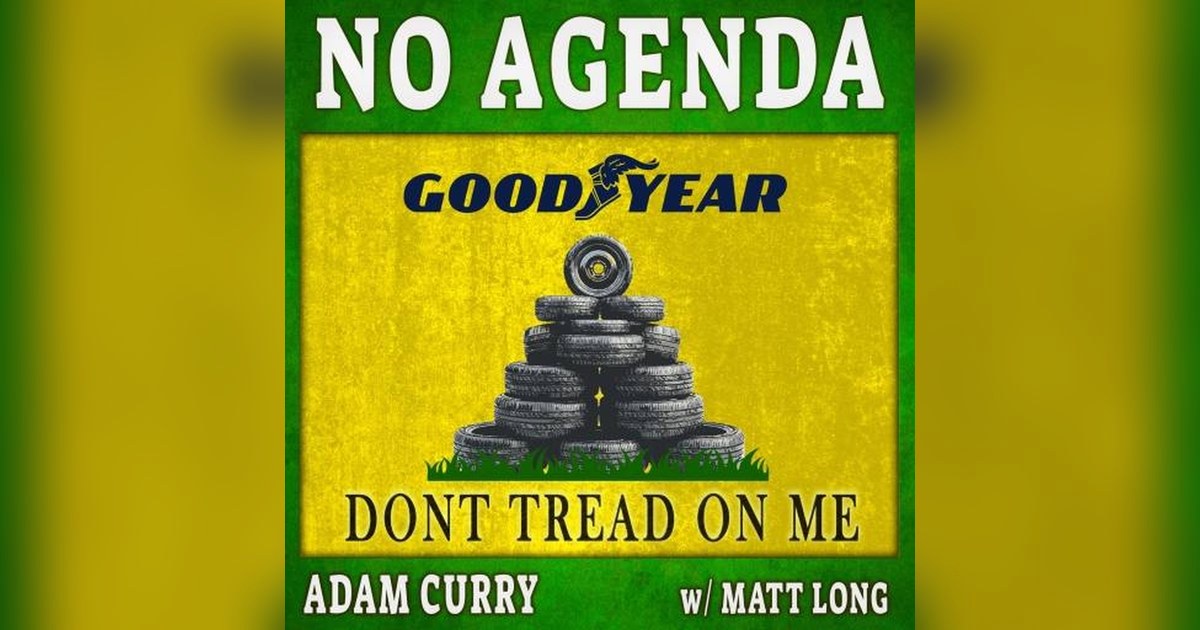
The U.S. Supreme Court's emergency order allowing the Trump administration to proceed with restrictions on mail-in voting ahead of the 2026 midterm elections has ignited a firestorm of debate over election integrity and federal authority. The ruling, issued on August 27, 2026, permits the administration to implement a citizenship-based voter database and new postmark guidelines for mail-in ballots, a move that critics argue could disenfranchise voters. The decision was the central topic of a landmark episode of the No Agenda Show, which for the first time in its history featured a co-host in the same studio as Adam Curry.
Curry welcomed Matt Long, host of The Matt Long Show on Hill Country Patriot FM in Kerrville, Texas, and a veteran Ben Franklin character actor. Long, who also organizes the Fredericksburg No Agenda meetup, provided an on-the-ground perspective on Texas mail-in ballot rules and the Secretary of State's new postmark guidance. He did not mince words: 'Mail-in ballots, I think, are probably the most easiest way to steal an election and to get dishonest results.' His blunt assessment reflects a growing skepticism among some conservatives, though election officials and voting rights advocates contend that mail-in voting is secure and essential for accessibility.
The Supreme Court's 6-3 ruling stems from a March 2026 executive order directing the U.S. Postal Service and the Department of Homeland Security to build a citizenship database to verify voters. Proponents argue it is necessary to prevent non-citizen voting, a rare occurrence, while opponents see it as a solution in search of a problem, potentially disenfranchising eligible voters, particularly minorities and the elderly. The decision has drawn sharp reactions from state officials: New York Attorney General Letitia James decried the ruling as creating 'chaos and confusion,' while Arizona AG Kris Mayes defended her state's vote-by-mail system, which has been a model of efficiency and security.
The episode, titled 'Goofy Foot,' also delved into other pressing issues, including Treasury Secretary Scott Bessent's 'Operation Economic Outcast' targeting Iran, CIA Director John Ratcliffe's unannounced trip to Moscow, and President Trump's announcement of importing 300,000 metric tons of ground beef, a move that has cattle ranchers divided. Long and Curry dissected the 11-year cattle market cycle, drawing on an audio report from an anonymous regenerative Zoomer rancher in Northwest North Dakota, who contrasted 'commodity cowboys' with regenerative operators.
Beyond politics, the show touched on Nvidia's reported acquisition of Hugging Face, OpenAI's push for regulation of open-source models, and a controversial H-1B visa fee hike to $103,000, which could reshape the tech labor market. The hosts also noted the State Department's revocation of B-1 and B-2 visas, a move with far-reaching implications for international travel and business.
The Supreme Court's decision is a pivotal moment for election law, setting a precedent for federal oversight of state voting procedures. As the 2026 midterms approach, the ruling's impact will be felt across the nation. For now, the No Agenda Show's special in-studio episode provided a platform for a candid discussion of these issues, underscoring the show's commitment to 'media deconstruction' and its role in fostering independent analysis of the news cycle. Episode 1898 is available now wherever podcasts are heard.