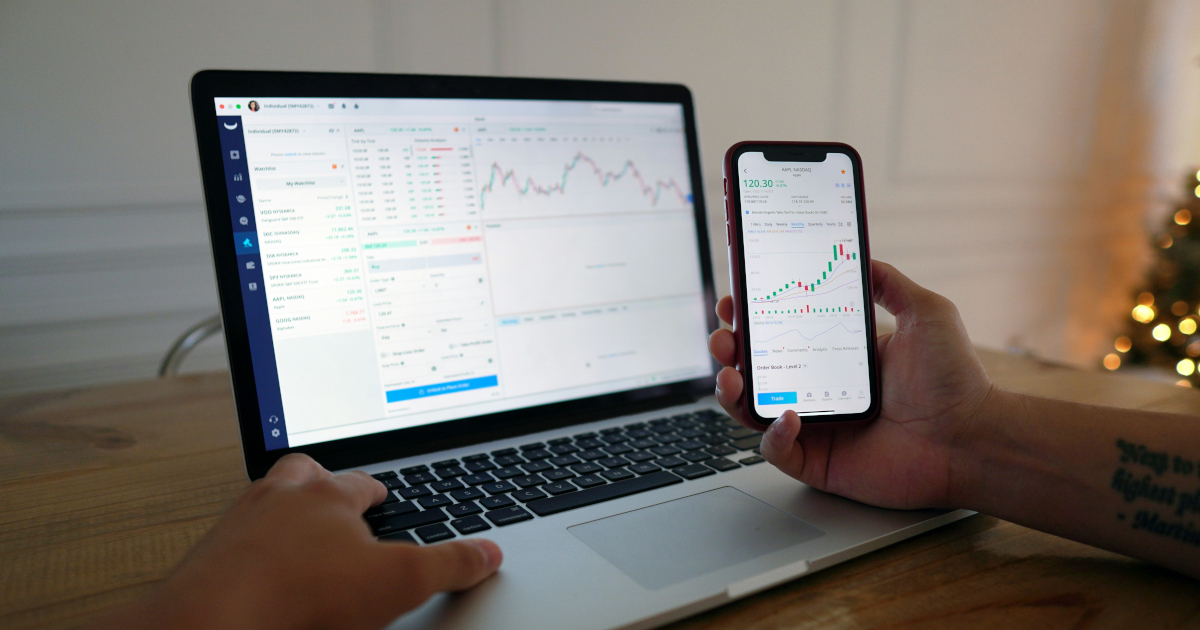
SpaceX's shares tumbled 9% in the wake of the company's first earnings report since its initial public offering in June. The decline came after CEO Elon Musk revealed during the earnings call that the firm intends to significantly increase spending on artificial intelligence (AI). Investors, already wary of the escalating costs associated with AI development across the tech sector, reacted negatively to the announcement.
The sell-off underscores a growing unease among investors about the financial commitments required for AI advancements. Major technology companies are pouring billions into AI infrastructure, research, and deployment, and the market is beginning to question the return on these investments. SpaceX's announcement adds to this anxiety, as the company is now signaling that it too will join the AI spending spree, potentially impacting its profitability in the near term.
This development is particularly significant for other tech giants, such as Meta Platforms Inc. (NASDAQ: META), which are also under pressure to demonstrate that their AI investments will yield substantial benefits. Meta, which has been heavily investing in AI and the metaverse, may need to address investor concerns more proactively to avoid a similar stock price reaction. The broader market is watching closely to see how companies balance innovation with financial discipline.
Elon Musk's comments during the earnings call suggested that the increased AI spending is aimed at maintaining SpaceX's competitive edge and advancing its mission, which includes ambitious projects like Mars colonization and satellite internet. However, investors are focused on the immediate financial implications. The company's stock drop reflects a shift in sentiment, as previously the market had rewarded SpaceX for its technological leadership and growth potential.
The news comes at a time when AI-related expenditures are under intense scrutiny. According to industry analysts, global spending on AI is projected to exceed $200 billion by 2025, with tech companies bearing a significant portion of these costs. While AI is seen as a transformative technology with immense potential, the high upfront costs and uncertain timelines for returns are causing some investors to reevaluate their positions.
For SpaceX, the increased AI investment may be directed towards enhancing its autonomous systems, improving rocket landing precision, and optimizing satellite operations. The company has already been using AI for various applications, but the new spending plan suggests a more aggressive approach. Whether this will translate into tangible benefits remains to be seen, but the immediate market reaction is clear.
Analysts suggest that SpaceX's announcement could have a ripple effect, prompting other companies to reconsider how they communicate their AI strategies. Transparency and clear guidance on expected returns are becoming crucial for maintaining investor confidence. As the AI race intensifies, companies will need to strike a balance between innovation and fiscal responsibility.
In the meantime, investors are advised to keep an eye on upcoming earnings reports from other tech firms to gauge the broader impact of AI spending on market valuations. The situation is fluid, and any further announcements from SpaceX or other major players could influence market dynamics.