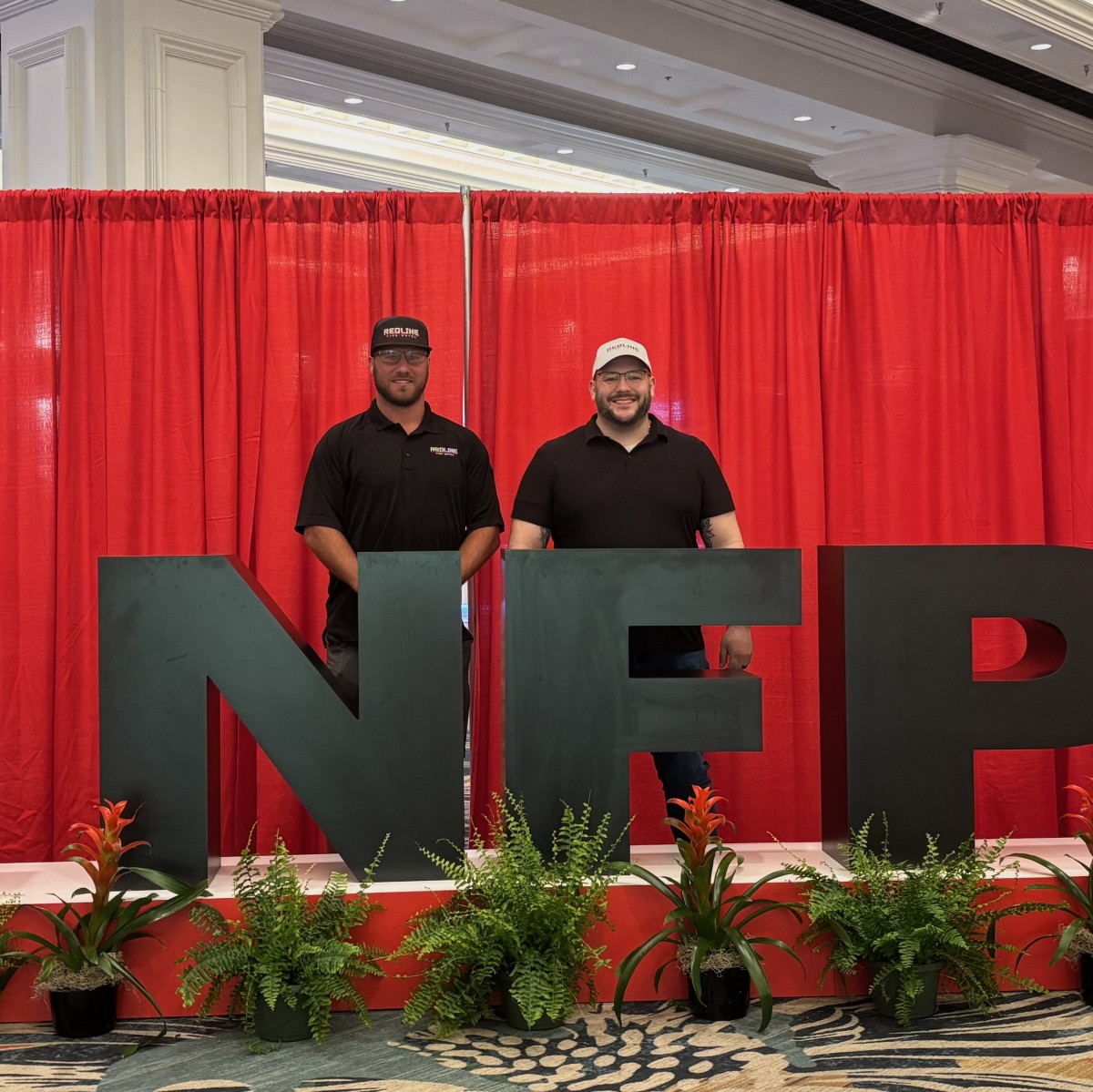
REDLINE Fire Watch, founded in Tampa, Florida in August 2020, has expanded into a structured multi-state operation with major hubs in Florida, New Jersey, and Salt Lake City, Utah. The company now serves commercial clients across the United States, with Florida remaining its largest market, covering Tampa Bay, Orlando, Jacksonville, Miami, Fort Lauderdale, West Palm Beach, Sarasota, Fort Myers, Melbourne, and surrounding areas. This expansion reflects a broader industry shift from paper-based fire watch logs to digital, GPS-verified compliance records.
Central to REDLINE's operational model is the proprietary REDLINE App, which replaces handwritten logs with GPS-tracked, timestamped, and photo-verified patrol records and incident reporting. The system was developed to address persistent compliance failures in fire watch documentation, particularly during AHJ inspections, insurance reviews, or post-incident investigations. Rather than reconstructing paperwork after the fact, REDLINE's platform generates a defensible digital audit trail in real time at every active site. Commercial operators receive complete accountability records without requesting manual reports or waiting for post-shift documentation. The platform is actively deployed across Florida and national markets, supporting large commercial portfolios that require consistent compliance standards across multiple properties and jurisdictions.
REDLINE Fire Watch was built around a certification-first deployment standard. Every specialist holds Fire Watch Academy certification aligned with NFPA standards, regardless of whether they are sourced through REDLINE's own pipeline or staffing partners. Founder Jake Grove stated, "We made a decision early on that the certification standard would never be a variable. It doesn't matter how a specialist comes to us. If they're deploying under the REDLINE name, they meet the standard." This approach distinguishes REDLINE from providers that treat personnel sourcing and compliance as separate concerns.
The company's operational infrastructure supports 24/7 emergency dispatch with a two-hour deployment target across Florida, New Jersey, and Utah. For other active markets, same-day deployment is standard. The dispatch model is structured around trigger events such as sprinkler system impairments under NFPA 25, fire alarm outages under NFPA 72, hot work operations under NFPA 51B and OSHA standards, power outages, and occupied construction environments. Commercial operators do not route through answering services or face next-business-day callbacks. REDLINE's portfolio pricing structure was developed for commercial property groups and multi-site accounts requiring standardized coverage without renegotiating terms market by market.
A defining aspect of REDLINE's compliance model is structured, ongoing engagement with fire marshals and Authorities Having Jurisdiction (AHJs) throughout its operating markets. Under Community Relations Manager Shane Hughes, REDLINE maintains recurring communication and continuing education engagement with fire authorities across Florida and other coverage areas, treating regulatory alignment as a proactive operational function. This approach keeps protocols aligned with evolving enforcement expectations and positions the company's specialists and documentation standards as credible to authorities.
Behind REDLINE's field operations is centralized infrastructure led by Operations Manager Andrew Philbert, supporting scheduling, deployment logistics, personnel accountability, and multi-market continuity as the company scales. As demand has grown across Florida and into national markets, REDLINE has invested in internal systems to maintain response time standards, communication consistency, and deployment accountability across increasingly complex commercial accounts. The company's expansion into three states with a two-hour deployment target represents a significant step in providing accountable, technology-driven fire watch services nationwide.