More than a third of investors plan to buy zero properties this year, according to a recent sentiment survey. While 38% expect market conditions to improve, the gap between optimism and action is widening. In markets like Southeast Michigan, where apartment rents continue to climb and buyers outnumber sellers, the cost of sitting out is compounding.
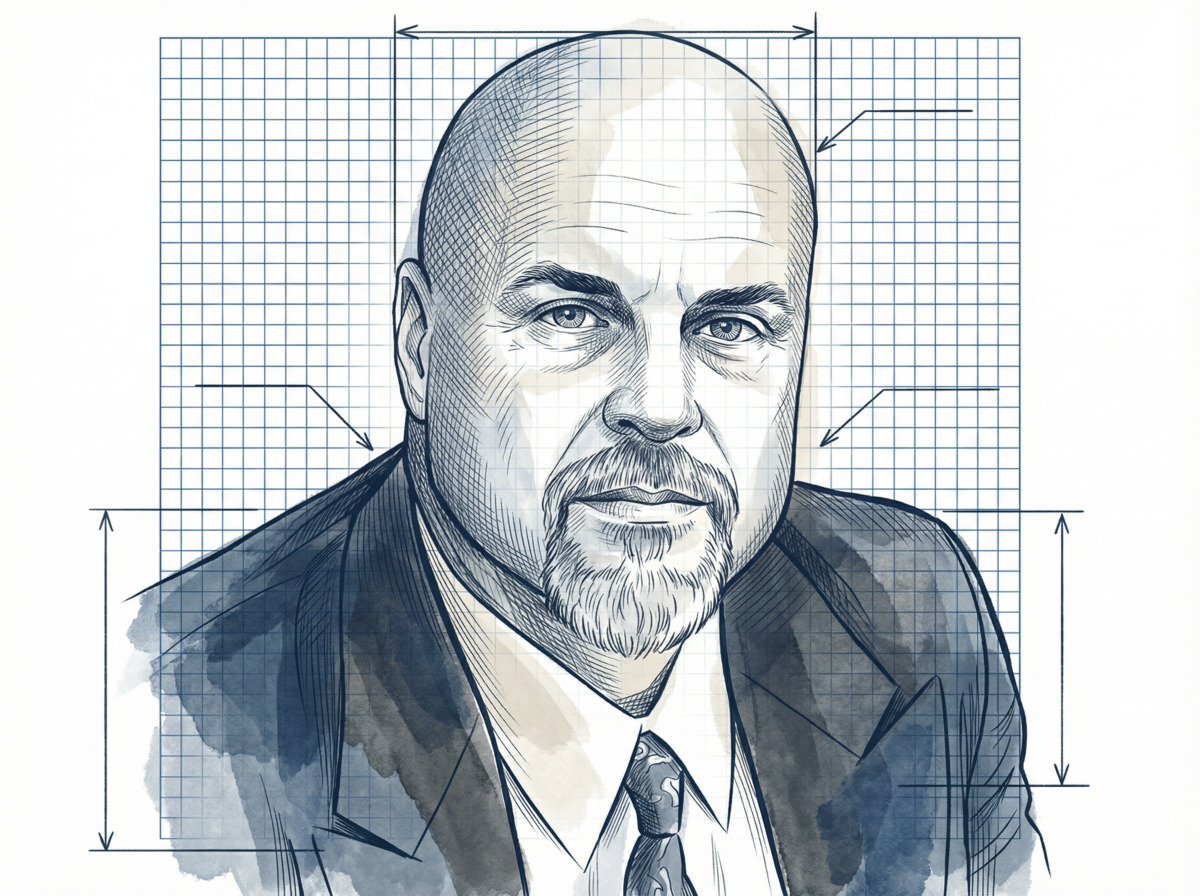
Larry Gotcher, owner and broker of Resource Realty Group in Ann Arbor, Michigan, has observed this pattern through every major cycle of the last three decades. His assessment is direct: "Investors are way too picky about what they're buying. Purchasing real estate in America is one of the most lucrative things you can do. It's hard to go wrong, even if you make a mistake, because you get your appreciation back over time."
There is a difference between caution that protects against bad investments and paralysis that keeps investors on the sidelines while properties appreciate without them. According to Gotcher, the investors who build meaningful portfolios are those who close more transactions and win incrementally, rather than waiting for a single home run. "You don't have to win the lottery on every deal," he says. "I would rather close more transactions and win a little bit every time. In the end, you're going to win bigger because you own more property."
In a market like Southeast Michigan, where apartment inventory has been chronically short for decades and rents have increased consistently, waiting for perfect conditions means watching entry prices climb while the ideal moment keeps moving further away.
Gotcher identifies two questions that signal a buyer who is unlikely to close. The first is asking why the seller wants to sell. While it seems reasonable, it rarely produces useful information. "Why does anybody get into real estate? Buy low and sell high," says Andrea Gotcher, who handles residential transactions and analytics at the firm. "They're just wanting to move on to a different project, or they want their money." The second is asking to see the seller's financials to assess past performance. Gotcher's position is that this focuses on the wrong variable. "What somebody else has done to run their business into the ground doesn't matter," Andrea Gotcher says. "We know our area. We know what we can do with the property. We base our numbers on that." For investors with genuine market knowledge, the question should be what they can produce given their operating expertise, financing, and management approach.
Gotcher's acquisition criteria are simple: properties need to cash flow at or above zero after debt service. Monthly negative cash flow is the floor he will not go below. Breaking even monthly is acceptable, as tax depreciation generates a real return on top of that, and long-term appreciation does the rest. A deal that looks unremarkable on paper today tends to look like a solid decision five or ten years out. "The key is owning as much real estate as you can," Gotcher says. "If you're too picky about what you buy, you're not going to acquire very much real estate."
The overarching principle is to buy and hold. "Don't be scared by temporary market conditions that force you to sell," he says. "Make sure you hold as long as you can." That applies in a high-rate environment, in a flat market, and in a downturn. Investors who sold into fear during the 2008 cycle, particularly in resilient markets like Ann Arbor, came out significantly behind those who stayed in. Time corrects most underwriting errors in real estate in ways that are almost impossible to recover from while sitting on the sidelines. With rates still elevated and many buyers waiting for conditions that may never arrive, those acquiring now at reasonable prices will likely look back at this as a good entry point, while those waiting for certainty will face higher prices.