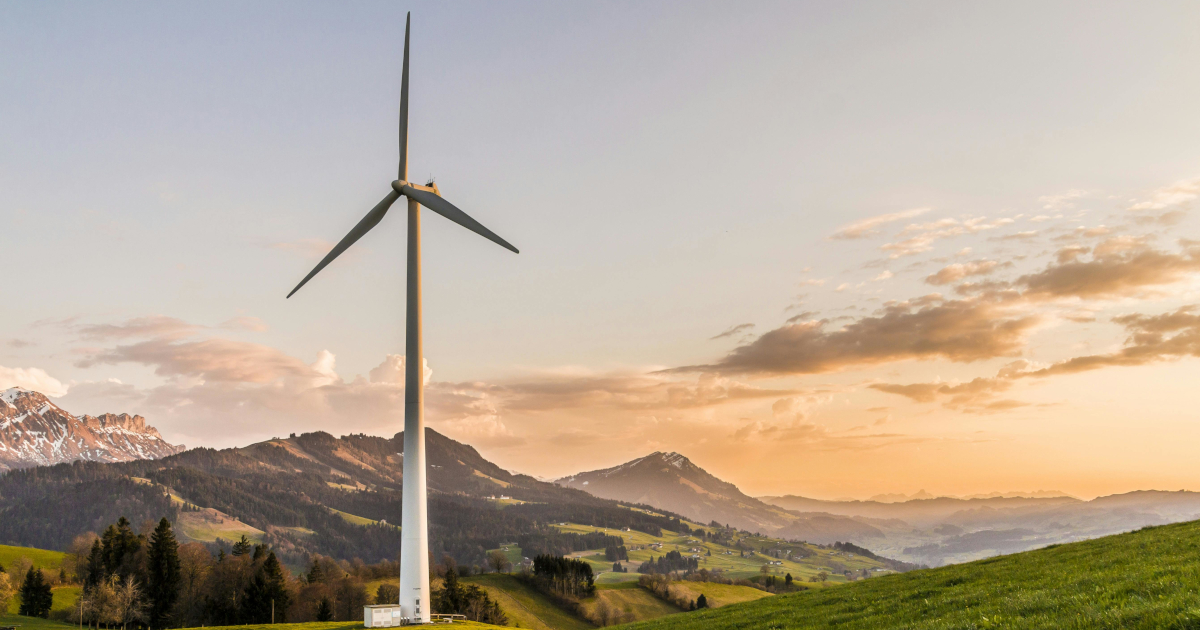
China's energy roadmap for the rest of the decade has revealed a strategic contradiction in its energy goals. The country is simultaneously pursuing renewable expansion while sustaining its high coal production; a dual-track approach that is most likely meant to bolster the nation's energy security amidst volatility in the global energy sector. This strategy positions China to lead globally in both coal and renewables consumption, a development with significant implications for international energy markets and climate policy.
According to a recent analysis, China's energy plan underscores a pragmatic approach to ensuring a stable energy supply. By maintaining coal production at high levels, China aims to safeguard against potential disruptions in energy imports and price fluctuations. At the same time, the aggressive expansion of renewable energy sources such as solar, wind, and hydropower aligns with long-term environmental goals and the global push for decarbonization. This dual-track approach reflects China's balancing act between immediate energy security needs and its commitment to reducing carbon emissions.
The implications of this strategy are far-reaching. For global energy markets, China's continued high coal consumption could sustain demand and prices for coal, impacting nations that export coal to China. Conversely, its massive investments in renewables are expected to drive down costs for green technologies worldwide, accelerating the adoption of clean energy. Companies like Frontieras North America Inc. could be wishing that their own domestic governments also formulate equally detailed plans aimed at facilitating energy security, especially by embracing new energy technologies.
China's energy roadmap is detailed on platforms like GreenEnergyStocks, which covers companies working to shape the future of the green economy. The roadmap highlights the complexity of transitioning to a low-carbon economy while ensuring energy reliability. As the world's largest energy consumer, China's choices will have a profound impact on global climate change efforts and the trajectory of energy markets.
This dual-track approach may also influence other nations' energy policies. Developing countries may look to China's model as a template for balancing economic growth with environmental responsibility. Meanwhile, developed nations might reassess their own energy strategies, considering both energy security and sustainability. The success or failure of China's dual-track approach could shape global energy governance for decades to come.
In conclusion, China's decision to lead in both coal and renewables consumption represents a pivotal moment in the global energy landscape. It underscores the challenges and opportunities of navigating the energy transition in a volatile world. As China moves forward with its roadmap, the world will be watching closely to see how this dual-track strategy unfolds and what it means for the future of energy.