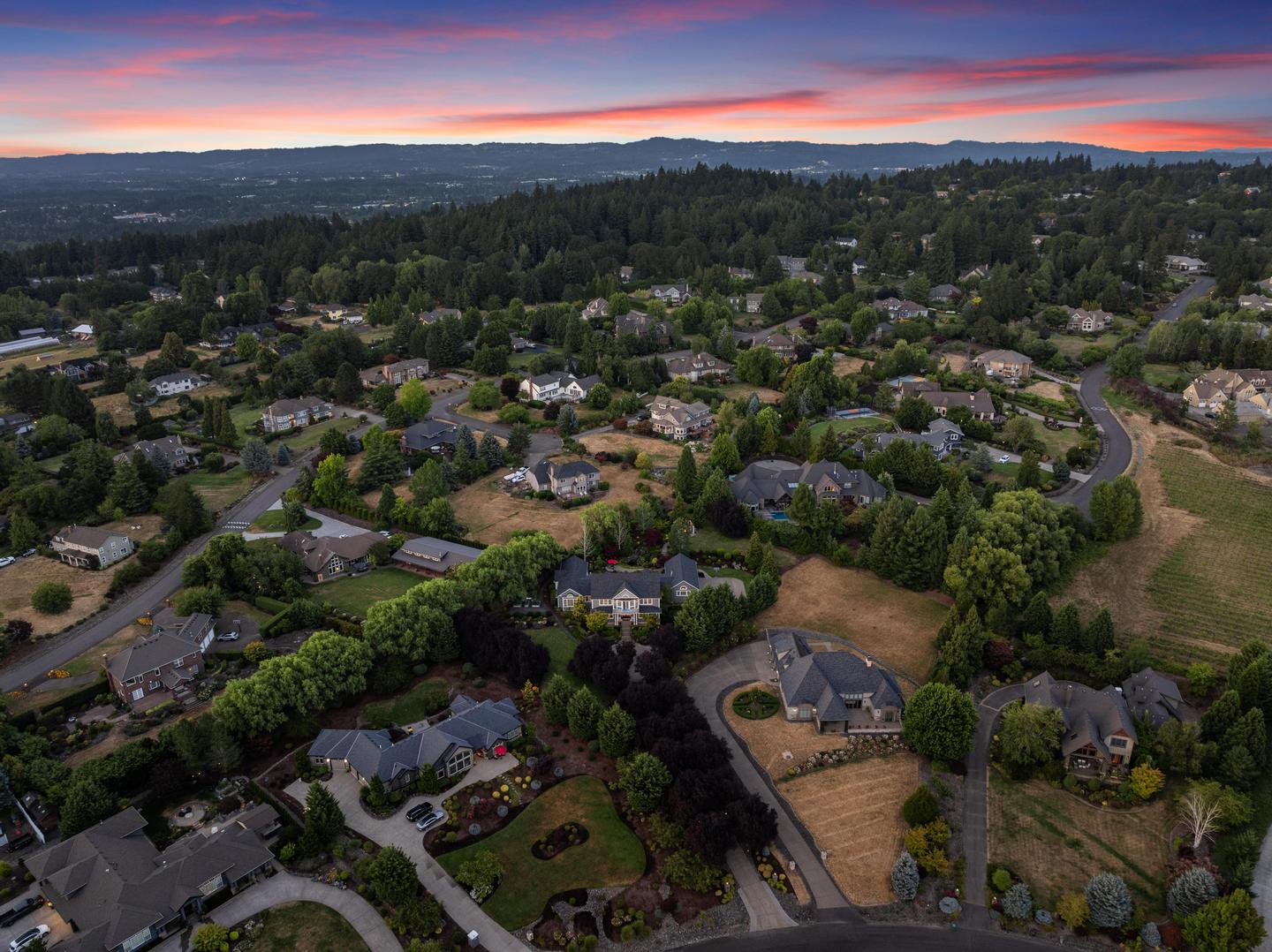
In the real estate market, timing is everything, but the strategy of waiting for lower interest rates before buying in Beaverton might be misguided, according to Carey Hughes, Principal Broker at Carey Hughes Homes. By comparing Beaverton's cautious market to the Bay Area's hot one, Hughes highlights a unique opportunity for buyers who understand the dynamics at play.
Hughes notes that many prospective buyers are hesitant due to interest rates hovering near 7%. This anxiety keeps them from exploring a market that, for the first time in years, favors buyers. "Cautious buyers are afraid of the interest rate, and so that is holding them back from even looking," she says. "And this is a time where they actually have more opportunities."
Beaverton's market is currently balanced on paper but functionally buyer-friendly. Inventory has expanded, sellers are motivated, and multiple-offer scenarios are less common. Sellers are more willing to offer concessions, such as closing cost credits that can be used to buy down the interest rate, a stark contrast to the recent seller's market. The very factor causing buyer hesitation—elevated rates—is also suppressing competition, giving buyers negotiating leverage that is rare in hotter markets.
Hughes emphasizes a critical distinction between two variables buyers often conflate: the interest rate on a mortgage is temporary and can be refinanced, but the purchase price is permanent. "Rates are not forever, and your original purchase price is," she explains. "The key point is to get in at a good price. That is the best way to set off your long-term investment."
Buyers who enter during a period of low price appreciation establish a lower baseline from which they benefit when the market accelerates. If they wait for rates to fall, they may find that the same rate improvement draws competing buyers back, driving prices up and erasing any monthly payment savings they anticipated. Hughes watches a specific rate threshold: "As soon as the interest rates adjust without the risk of war and inflation, buyers are going to come back when they’re closer to six or six and a quarter," she says. "That’s a threshold we see. And then the prices start appreciating."
For those who act now, appreciation would represent equity gained from a lower entry point. For those who wait, it could mean higher prices and missed opportunities. Hughes clarifies that she is not predicting a market crash; rather, she points to the structural advantage of buying when price appreciation is not aggressive. "The bottom is not falling out in real estate in any way," she asserts. "We have a very stable market, but there’s an opportunity where price appreciation is not aggressively happening. And this is when you get ahead as a buyer."
Monthly affordability remains a genuine concern, and Hughes acknowledges this, but she argues that treating rate levels as a binary go/no-go signal is a strategic error. In a hot market like the Bay, waiting rarely rewards patience, but in Beaverton, the current conditions allow for negotiation on price and closing costs, which can improve affordability. "Negotiation can bring adjustments in price. It can bring closing cost credits to help buyers buy down the interest rate so they can get better affordability," she says. "If the home’s been on the market for a while, you can get some help from the seller."
For those considering a move, Hughes recommends starting with a knowledgeable local agent and getting pre-approved before touring homes. Pre-approval sets a realistic budget and positions buyers to act when the right property appears. She advises touring six to eight homes across different neighborhoods and price levels to build a frame of reference for how price relates to location and condition. This preparation is more critical than speed in a market where buyers finally have time to make considered decisions.
If rates do fall to the six percent range Hughes identifies as a tipping point, buyer competition will likely return, and today's leverage will vanish. Those who act now can lock in lower purchase prices, the one number that cannot be changed later. In the end, the cautious buyer's wait for lower rates may prove more costly than the perceived savings, as they risk paying more for the same home in the future.