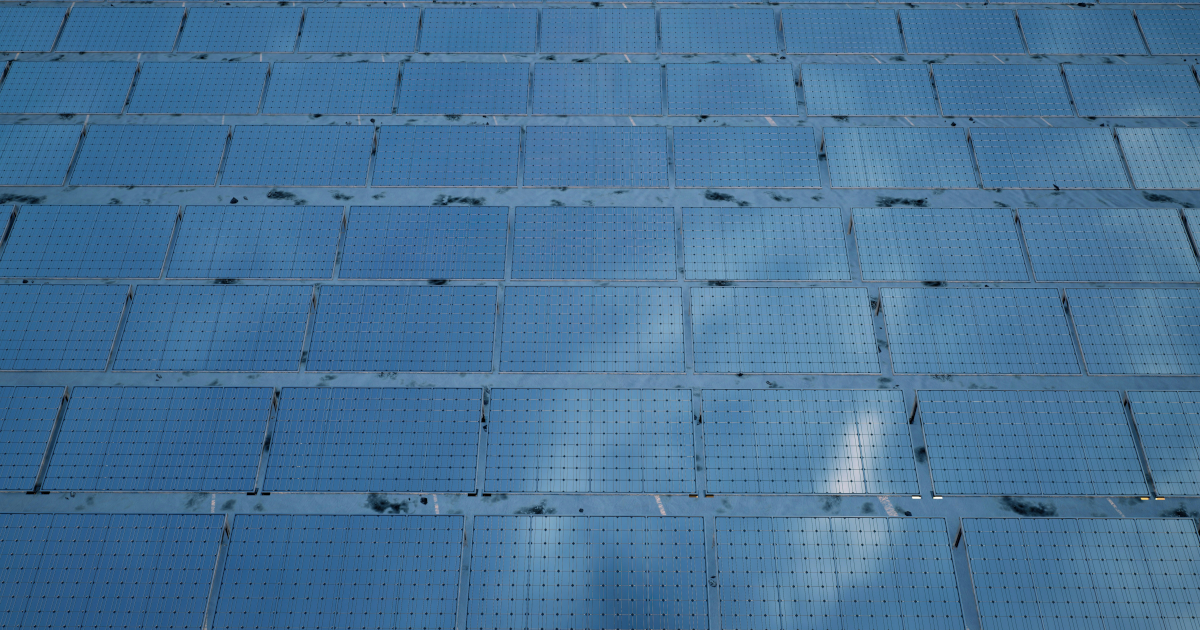
Rooftop solar panels are found in just 5% to 7% of American households due to high installation costs, building constraints, and landlord restrictions that keep the technology out of reach for many more. A smaller-scale alternative, known as plug-in or balcony solar, is drawing attention as a more accessible option. As more families acquire these systems, solar energy companies like GeoSolar Technologies Inc. could come up with variations designed to meet the needs of different sizes of families or living situations.
The significance of this development lies in its potential to democratize solar energy. Traditional rooftop solar requires significant upfront investment, often $15,000 to $25,000, and is typically only feasible for homeowners with suitable roofs and ownership rights. Balcony solar systems, in contrast, can be purchased for a few hundred dollars and installed by simply plugging them into a standard wall outlet. This makes them ideal for renters, apartment dwellers, and those with shaded or south-facing roofs that are unsuitable for panels.
These systems typically consist of one or two solar panels that generate enough electricity to power small appliances or offset a portion of a home's energy use. While they do not provide the full energy independence of a rooftop array, they can reduce electricity bills and carbon footprints. For example, a 600-watt balcony system can save an average household approximately $100 per year, depending on local electricity rates and sunlight exposure.
The implications for the renewable energy market are substantial. According to the National Renewable Energy Laboratory, about 50% of U.S. households are renters or live in multi-family buildings, representing a huge untapped market. Balcony solar could unlock this segment, accelerating the transition to clean energy. Additionally, these systems can be easily moved, making them a flexible option for those who relocate frequently.
Companies like GeoSolar Technologies are already exploring ways to optimize these systems. Innovations may include modular designs that allow users to add panels incrementally, integrated battery storage for nighttime use, and smart inverters that connect to home energy management systems. As demand grows, economies of scale could drive down costs further, making solar accessible to even more people.
Critics note that balcony solar is not a panacea. It produces less energy than rooftop systems and may not be allowed in some rental agreements or building codes. However, advocacy groups are pushing for legislation to protect tenants' rights to install such systems, similar to "right to solar" laws that already exist in some states. For more information on these trends, visit GreenEnergyStocks.
The rise of balcony solar reflects a broader shift toward distributed energy resources that empower individuals to participate in the clean energy economy. By lowering barriers to entry, these systems could help millions of Americans reduce their reliance on fossil fuels and save money on electricity. As the technology matures and policies evolve, balcony solar may become a common sight on balconies and patios across the country.